
Social Engineering
Technical controls stop technical attacks. Social engineering bypasses them entirely by targeting people instead of systems. An attacker who can convince one employee to hand over credentials, open a malicious file, or grant physical access has achieved in minutes what months of technical hacking might not.
We simulate these attacks in a controlled way to show you exactly where your human layer is vulnerable, and what training or process changes will close those gaps.
Phishing simulations
We run two types of phishing campaigns:
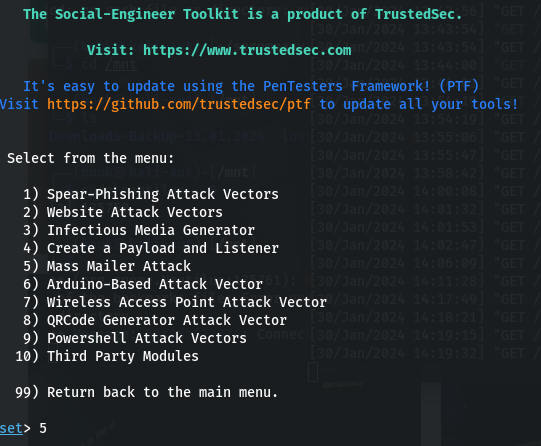
- Email phishing — targeted emails crafted to look like they come from a trusted source. These range from broad campaigns testing general awareness to spear-phishing attacks aimed at specific individuals or roles.
- WiFi phishing — rogue access point attacks that trick users into connecting to a network we control, allowing us to capture credentials or serve malicious content.

Physical Security Testing
Physical access is often the most overlooked attack vector. Once an attacker is inside a building, the network protections that stop remote intruders become far less effective.
Our analysts attempt to gain physical access to restricted areas using social manipulation, impersonation, and pretext scenarios. Common scenarios include posing as a vendor or contractor to access a server room, tailgating through a secured entrance, or calling employees while impersonating IT support to obtain credentials or remote access.
The results tell you which physical controls held and which did not, along with recommendations for both procedural and technical improvements.